Island Magazine’s view
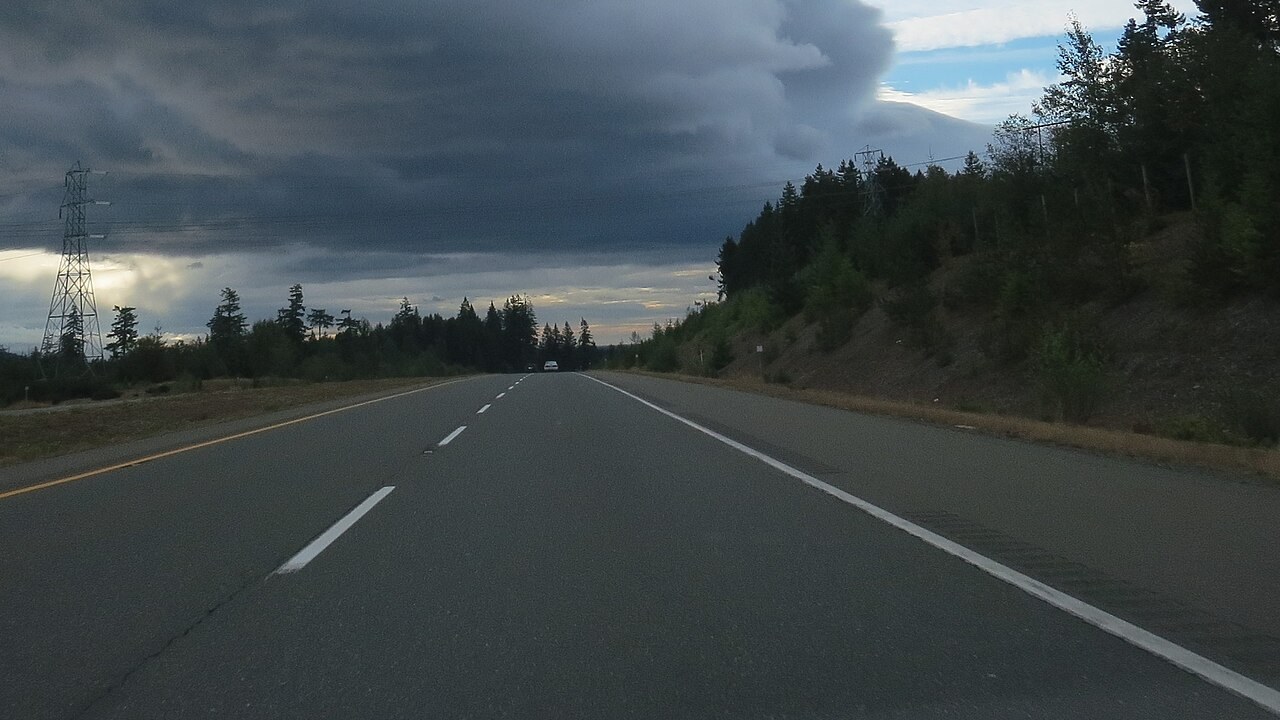
Anyone who drives Highway 19 between Lantzville and Nanoose Bay knows the feeling: the limit says one thing and the traffic around you says another. This week BC Highway Patrol put numbers to it, and they should give every one of us pause.
What police are seeing
In a news release issued Nov. 23 from Parksville, BC Highway Patrol said officers have written 1,329 violation tickets on the roughly 15-kilometre stretch between Nanoose Bay and Lantzville so far in 2026, most of them for speeding, and carried out 264 excessive speed impounds. “Police enforcement is only one part of the solution on Highway #19. Until motorists choose to drive more safely, the problem will remain,” said Sgt. Michael McLaughlin.
That stretch has already seen too much grief this year. In late August, CBC News reported, two separate crashes killed three people within about 12 hours: a rollover near the Nanoose Bay rest area, and a head-on collision near Ware Road in Lantzville in which a 16-year-old driver was arrested for impaired operation causing death. The Nanaimo News Bulletin reported that RCMP had ruled out impairment in the rollover. Oceanside RCMP also noted that, with a concrete median barrier and no alternate route, a crash there can stop travel for hours.
Police are right about us
The first part of the answer sits with drivers, and police are right to say so. No highway design can make up for someone choosing to drive far over the limit, behind the wheel impaired, or with eyes on a phone. The steps in the release are simple: drive at or below the limit, slow down more in the dark and the rain, keep the phone out of reach, and only drive sober and rested. Those choices cost nothing and could save a life this winter.
The road matters too
But it would be unfair to stop there. The province already knows a good deal about this corridor. Its 2021 Nanaimo Parkway and Nanoose Bay Corridor Study recorded 121 collisions at the Northwest Bay Road intersection between 2015 and 2019, the Bulletin reported. DriveSmartBC’s review of that study notes it found 85th-percentile speeds of about 74 to 75 km/h where the posted limit near Northwest Bay Road is 60, along with limited sightlines at some minor roads and numerous direct accesses. The study proposed interim fixes, including closing most local road accesses between Northwest Bay Road and Summerset Road and serving them with frontage or backage roads.
After the August crashes, residents pushed hard. Nanoose Bay resident Zoe Todd’s petition had reached 991 signatures by Aug. 30, according to the Bulletin, and the Ministry of Transportation and Transit agreed to an Operations and Safety Review of the highway through the Nanoose Flats. That is welcome. But as of late September, the Bulletin reported, no completion timeline had been set because the review was still in its early stages.
The fair objection
There are reasonable concerns on the other side. Interchanges and frontage roads are expensive and take years. Closing local accesses would add distance and inconvenience for people who live along the highway. And some will argue, with justification, that the most effective fix is simply more drivers obeying the law. All true. None of it is a reason to leave the review without a deadline.
What we’d like to see
We think the Ministry of Transportation and Transit should give the review a public timeline, say how Oceanside and Lantzville residents can take part, and report on which recommendations from the 2021 study have been acted on and which have not. In the meantime, the steady enforcement police describe should continue. Local voices, from the Regional District of Nanaimo to neighbourhood groups in Nanoose Bay and Lantzville, can keep the issue on the agenda.
And the rest of us can start today. The next time the traffic around you is pushing well past the limit through the Nanoose Flats, let it go. Everyone on that road is somebody’s neighbour, and, as Sgt. McLaughlin put it, “Ultimately, we want everyone to get home.”
Island Magazine’s view is written by our editorial staff. Have a different take? We welcome letters from readers.